


-

Add: HeBei ShengShi HongBang Cellulose Technology CO.,LTD.
-

Email
13180486930@163.com -

CONTACT US
+86 13180486930
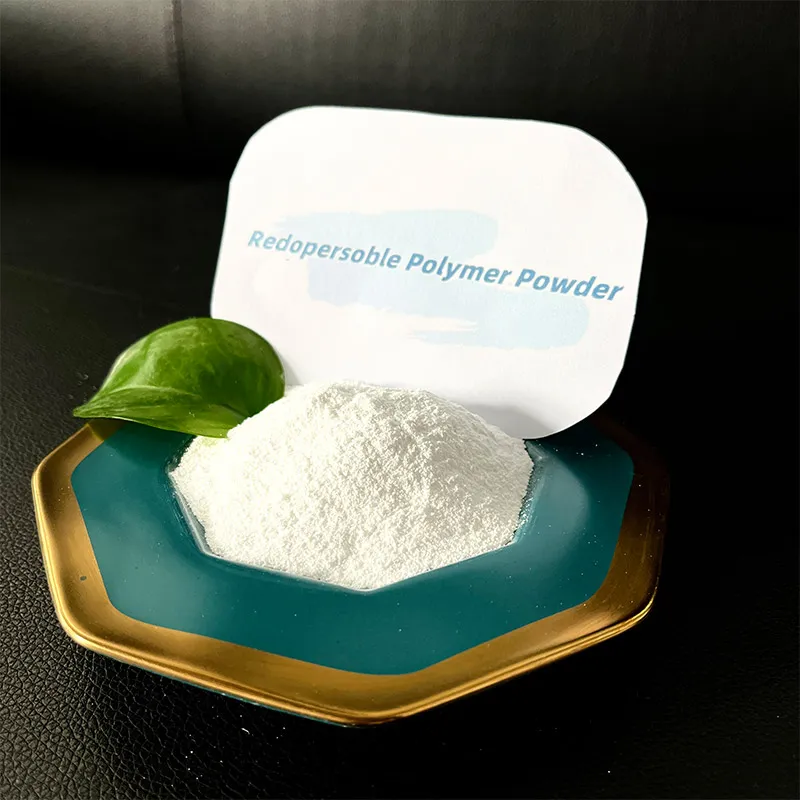



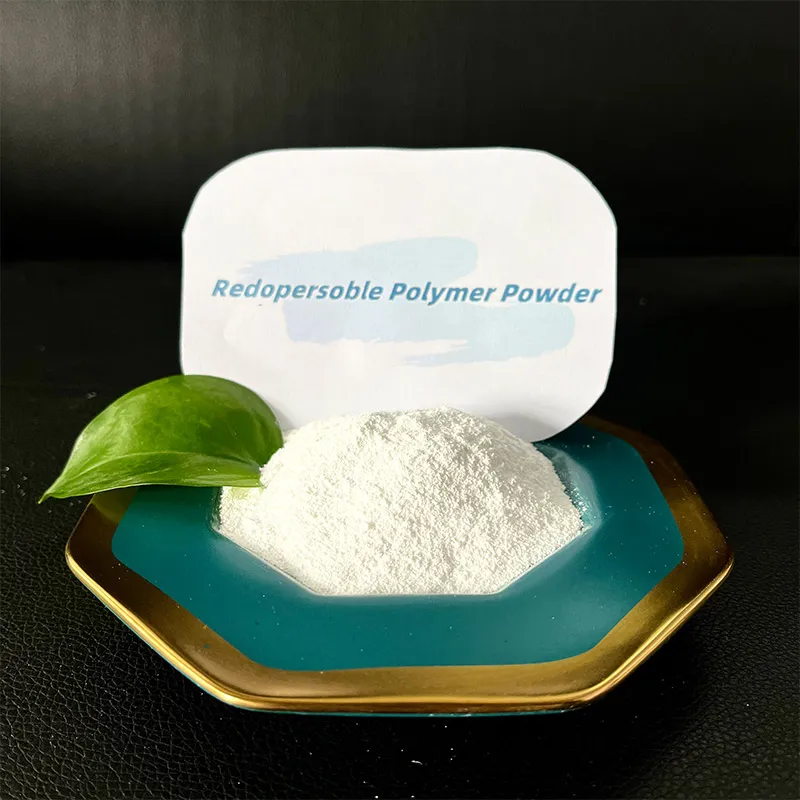
Thin-bed mortars are a cornerstone of modern construction, valued for their precision in tile installation, plastering, and bonding. At the heart of their performance lies polymer powder , a transformative additive that enhances adhesion, flexibility, and durability. Alongside redispersible polymer powder and redispersible powder variants, it elevates mortar quality, making thin-bed applications more reliable and long-lasting. Hebei ShengShi HongBang Cellulose Technology CO.,LTD, a professional manufacturer with over 20 years of experience, located in Hebei Province Xinji provincial clean chemical Industry Park with excellent transportation links, extends its expertise beyond HPMC to include high-quality polymer additives. Their advanced German production processes and daily capacity of 80–100 tons make them a trusted partner for wholesalers seeking top-tier construction materials. This article explores how polymer powder functions in thin-bed mortars, highlighting its key roles and benefits. Types of Redispersible Polymer Powder for Thin-Bed Mortars Polymer Powder: Polymer powder is a generic term for powdered polymers that dissolve or disperse in water, forming a film when dried. In thin-bed mortars, it acts as a binder, improving cohesion between cement, aggregates, and substrates. Wholesalers can note that its versatility makes it suitable for a range of mortar types, from tile adhesives to repair mortars. Redispersible Polymer Powder: Redispersible polymer powder is a specialized variant that, when mixed with water, re-disperses into a stable emulsion. This unique property ensures uniform distribution throughout the mortar, enhancing its overall performance. It is particularly effective in thin-bed applications where even coverage and strong adhesion are critical. Hebei ShengShi HongBang’s redispersible polymer powder is engineered for consistent results, meeting the demands of high-precision construction. Redispersible Powder: Redispersible powder (a broader term encompassing redispersible polymers) offers tailored benefits, such as enhanced water resistance or flexibility. These variants are ideal for thin-bed mortars used in humid environments, like bathrooms, or areas prone to slight movement, such as kitchens. Their adaptability makes them a valuable addition to any wholesaler’s product lineup. Enhancing Adhesion with Redispersible Polymer Powder Film-Forming Binder: Redispersible polymer powder forms a continuous polymer film within the mortar as water evaporates. This film bridges gaps between mortar particles and the substrate (e.g., tiles, concrete), creating a strong mechanical bond. In thin-bed mortars, where contact area is limited, this enhanced adhesion prevents tile slippage and ensures long-term stability. Improved Bond to Diverse Surfaces: Thin-bed mortars often need to adhere to challenging substrates like glass, metal, or painted surfaces. Polymer powder modifies the mortar’s surface tension, allowing it to wet and bond to these materials effectively. This versatility reduces the need for specialized primers, simplifying installation and lowering costs—an advantage wholesalers can emphasize to clients. Resistance to Water and Moisture: Redispersible powder enhances the mortar’s water resistance by forming a hydrophobic film. This is crucial in thin-bed applications in wet areas, such as showers or swimming pools, where moisture penetration could weaken the bond. The polymer barrier prevents water from breaking down the mortar structure, extending its lifespan. Performance Benefits of Polymer Powder in Thin-Bed Mortars Performance Aspect Mortar with Polymer Powder Standard Mortar (Without Polymer Powder) Advantage for Construction Flexibility High; withstands minor substrate movement Rigid; prone to cracking under stress Reduces tile or plaster damage from structural shifts. Adhesion Strength Excellent bond to diverse substrates Limited adhesion to non-porous surfaces Ensures long-term stability in tile and stone installations. Water Resistance Resistant to moisture penetration Susceptible to water damage Ideal for wet areas like bathrooms, kitchens, and swimming pools. Workability Smooth, easy to spread with minimal sagging May be stiff or runny Improves installer efficiency and reduces material waste. This table helps wholesalers clearly demonstrate how polymer powder elevates thin-bed mortar performance, making it a must-have additive for quality-focused clients. Key Functions of Redispersible Powder in Thin-Bed Mortars Reducing Shrinkage: Thin-bed mortars are prone to shrinkage as they dry, which can cause cracks or debonding. Redispersible powder minimizes shrinkage by increasing the mortar’s flexibility, allowing it to contract slightly without losing integrity. This is especially important in large-area installations, where uniform drying is challenging. Enhancing Cohesion: Polymer powder improves the mortar’s cohesion, preventing segregation of cement and aggregates. This ensures a smooth, homogeneous mix that spreads evenly, reducing the risk of voids or weak spots in the thin bed. Enhanced cohesion also makes the mortar easier to handle, reducing installer fatigue. Boosting Durability: Mortars containing redispersible polymer powder are more resistant to abrasion, impact, and chemical exposure. This durability extends the lifespan of thin-bed applications, reducing the need for repairs or replacements. It is particularly valuable in high-traffic areas, such as commercial lobbies or retail spaces. Polymer Powder FAQS What Dosage of Redispersible Polymer Powder Is Ideal for Thin-Bed Mortars? Typically, redispersible polymer powder is used at 3–8% by weight of cement in thin-bed mortars. Lower dosages (3–5%) improve basic adhesion, while higher dosages (6–8%) enhance flexibility and water resistance. Hebei ShengShi HongBang’s technical team can recommend precise dosages based on specific mortar formulations and project needs. Is Polymer Powder Compatible with Other Mortar Additives? Yes, polymer powder works well with common additives like cellulose ethers, plasticizers, and retarders. It complements these materials, enhancing overall mortar performance without adverse reactions. This compatibility simplifies formulation for wholesalers and ensures versatility across applications. Can Redispersible Powder Improve Mortar Workability in Cold Weather? Absolutely. Redispersible powder lowers the mortar’s water demand and improves its flowability, even in cold temperatures. This ensures consistent workability during winter installations, reducing the risk of premature setting or poor adhesion. Does Polymer Powder Affect the Setting Time of Thin-Bed Mortars? In moderate dosages, polymer powder has minimal impact on setting time. However, high dosages (over 8%) may slightly extend curing, which can be beneficial in hot climates where rapid drying is a concern. Hebei ShengShi HongBang offers formulations tailored to balance workability and setting time. Where Can Wholesalers Source Quality Polymer Powder for Thin-Bed Mortars? Hebei ShengShi HongBang Cellulose Technology CO.,LTD provides premium polymer powder and redispersible powder products, designed to optimize thin-bed mortar performance. Visit their website to explore their range and partner with a manufacturer renowned for quality and reliability in construction materials.
- 40000tons

Production
- 20+years

Experience
- 5000+㎡

Acreage

-
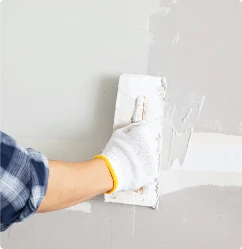
Polypropylene Fibers for Sale An Overview In the world of textiles and materials, polypropylene fibers have gained significant attention due to their unique properties and wide-ranging applications. As industries evolve and demand for specialized materials grows, polypropylene fibers have emerged as a versatile option, appealing to manufacturers and consumers alike. This article will explore the characteristics, benefits, and various applications of polypropylene fibers, highlighting why they are increasingly becoming a preferred choice in many sectors. What are Polypropylene Fibers? Polypropylene fibers are synthetic fibers made from the polymer polypropylene (PP), a type of thermoplastic. This polymer is created through the polymerization process of propylene monomers. Polypropylene fibers are known for their resilience, lightweight nature, and ability to resist moisture. Because they are resistant to degradation by water and many chemicals, polypropylene fibers offer an innovative solution for numerous applications across different industries. Key Characteristics of Polypropylene Fibers 1. Durability One of the standout features of polypropylene fibers is their strength and durability. They can withstand wear and tear, making them suitable for use in heavily trafficked areas or rugged environments. 2. Moisture Resistance Unlike natural fibers, polypropylene does not absorb water. This characteristic makes it ideal for applications that require moisture management, such as outdoor furniture and automotive interiors. 3. Chemical Resistance Polypropylene fibers are resistant to a wide range of chemicals, making them suitable for industrial applications where exposure to corrosive substances is a concern. 4. Lightweight Polypropylene is one of the lightest synthetic fibers available, which can significantly reduce transportation costs and improve the ease of handling the material in various applications. 5. UV Resistance Many polypropylene fibers are treated to be UV resistant, enhancing their longevity when used in outdoor applications. . Applications of Polypropylene Fibers ألياف البولي بروبلين للبيع Polypropylene fibers are used in a wide array of applications, spanning multiple industries. Here are some prominent uses 1. Textiles and Carpets One of the most common applications for polypropylene fibers is in the production of carpets and rugs. Their durability and moisture resistance make them ideal for residential and commercial carpeting. 2. Geotextiles In the construction industry, polypropylene fibers are used in geotextiles to provide soil stabilization, erosion control, and drainage. Their resistance to chemicals and durability make them invaluable in this field. 3. Automotive Interiors The automotive industry employs polypropylene fibers due to their lightweight nature, resistance to moisture, and ease of maintenance. They are commonly used in vehicle upholstery, carpets, and interior panels. 4. Medical Applications Polypropylene fibers are used in various medical textiles, such as surgical sutures and drapes, due to their biocompatibility and resistance to moisture and bacteria. 5. Consumer Products From outdoor furniture to industrial filters, polypropylene fibers are used in a vast range of consumer goods, making them a staple in household and commercial products. Benefits of Investing in Polypropylene Fibers Investing in polypropylene fibers can be advantageous for manufacturers and consumers alike. For manufacturers, the cost-effectiveness and versatile applications of polypropylene allow for innovation and the development of high-quality products that meet consumer demands. For consumers, the durability and low maintenance requirements of polypropylene products generally translate to long-lasting value. Moreover, as environmental concerns grow, many manufacturers are focusing on the recyclability of polypropylene fibers. Efforts are being made to enhance the sustainability of production processes and newer developments are paving the way for eco-friendly polypropylene options. Conclusion As the demand for versatile and durable materials continues to rise, polypropylene fibers stand out as a superior option across various industries. With their unique properties and diverse applications, they are a valuable resource for manufacturers looking to meet market needs effectively. Investors and businesses interested in high-quality materials would do well to consider polypropylene fibers, as they not only offer practicality but also long-term value in an ever-evolving market.
-
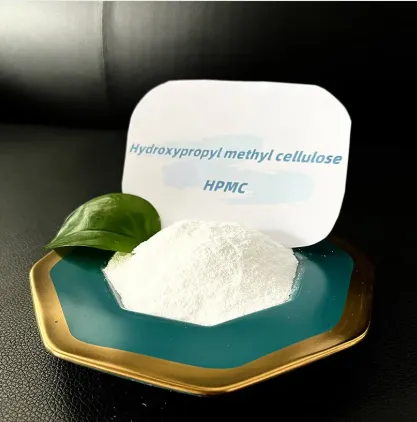
hpmc buy
advantages
-

200000 Viscosities
Excellent product
We can produce pure products up to 200,000 viscosities
-

40000 tons
High yield
We don’t stop production all year round, and the annual output can reach 40,000 tons
-

24 hours
Quality service
We provide 24-hours online reception service, welcome to consult at any time
———— Inquiry Form
Schedule A services

-
 nylon_fibres_are
Oct . 25, 2025
Understanding Confix PP Fiber A Breakthrough in Material Science In the quest for advanced materials -
 china_hpmc_factory
Oct . 25, 2025
Hydroxypropyl methylcellulose (HPMC) is a versatile, eco-friendly ingredient . This cellulose deriva -
 starch_ether_for_construction
Oct . 25, 2025
HPMC dextran has garnered considerable attention in the field of pharmaceuticals and biomedical appl


